Memorandum of Understanding
Signing Ceremony – 3 December 2025, British Library, London
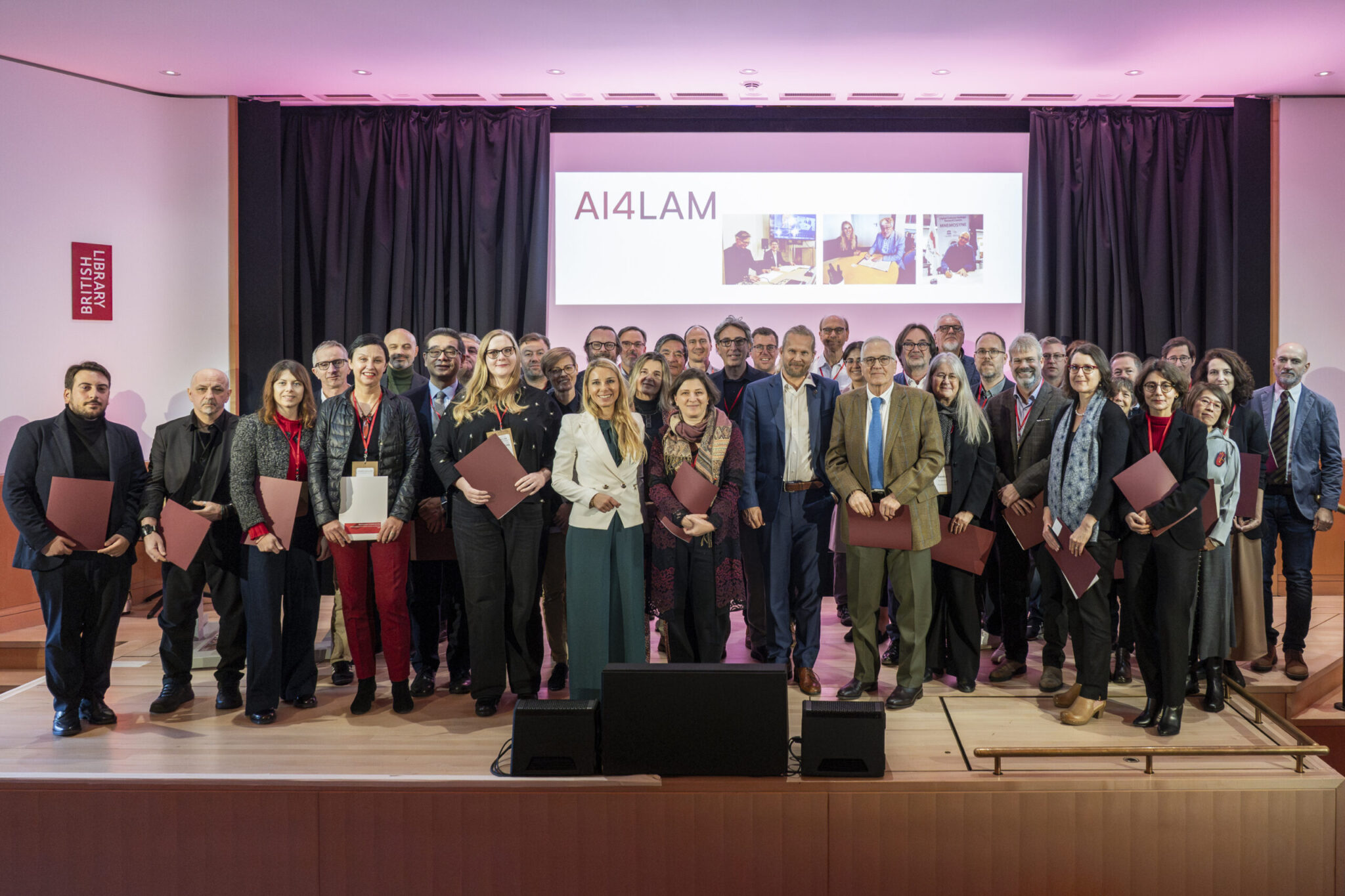
More than 40 institutions from around the world met in London on 3 December to conclude a collaboration agreement on the use of artificial intelligence in libraries, archives and museums. With this, AI4LAM (Artificial Intelligence for Libraries, Archives, and Museums) has been established as a global organization. The National Library of Norway will hold the administrative responsibility for AI4LAM during the first three years.
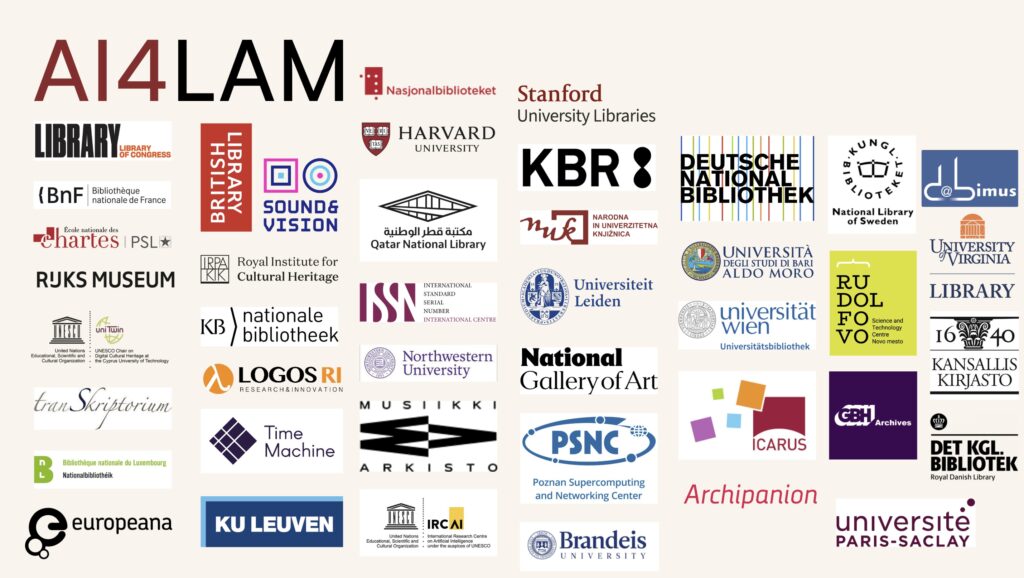
The AI4LAM network originated with the first Fantastic Futures conference hosted by the National Library of Norway in 2018. Over the past eight years, the network has grown into a global professional community of more than 1,500 members working with artificial intelligence in libraries, archives and museums.
“With this agreement, we are taking an important step from a project and network towards a more robust and long-term organizational model. AI4LAM becomes a global platform for knowledge sharing, ethics and innovation in artificial intelligence for the cultural heritage sector,” says Aslak Sira Myhre, National Librarian of Norway.
Among the institutions are leading actors such as Stanford University Libraries, the Library of Congress, the British Library, the Bibliothèque nationale de France, Harvard Library and the Smithsonian.
“AI4LAM brings together cultural heritage institutions, researchers and technology communities committed to developing responsible and verifiable uses of artificial intelligence. It is about seizing the opportunities while also managing the risks in ways that protect democracy, knowledge and public trust,” says Aslak Sira Myhre.
With this, AI4LAM has been formally established as a global organization. For the first three years, the administration will be hosted by the National Library of Norway.
The collaboration aims to strengthen the sharing of knowledge, tools and experience across countries and types of institutions, to develop and promote ethical guidelines for the responsible use of artificial intelligence, and to support the development of concrete solutions for digital content, search, preservation and dissemination of cultural heritage.