Stony Brook University Libraries Joins AI4LAM as a Founding Member
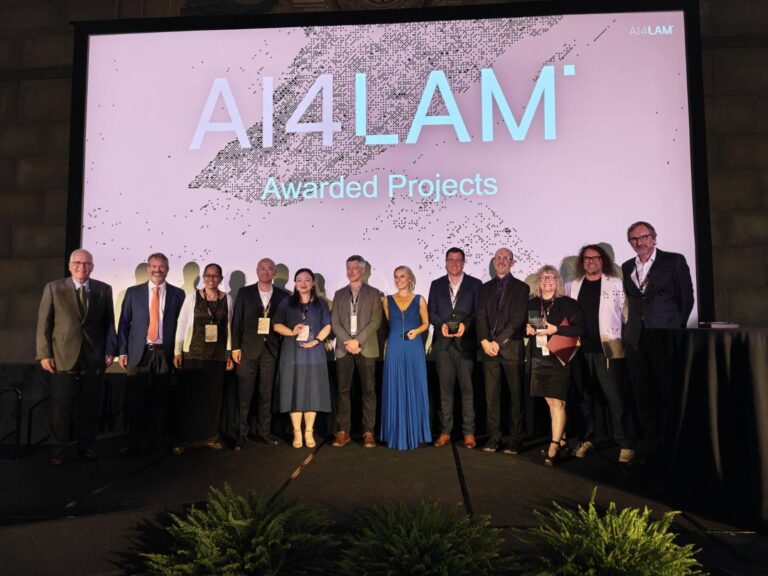
Stony Brook University Libraries has joined AI4LAM as a founding member. This marks an important step forward in a growing international community dedicated to the responsible, ethical, and sustainable use of artificial intelligence across libraries, archives, and museums (LAMs).
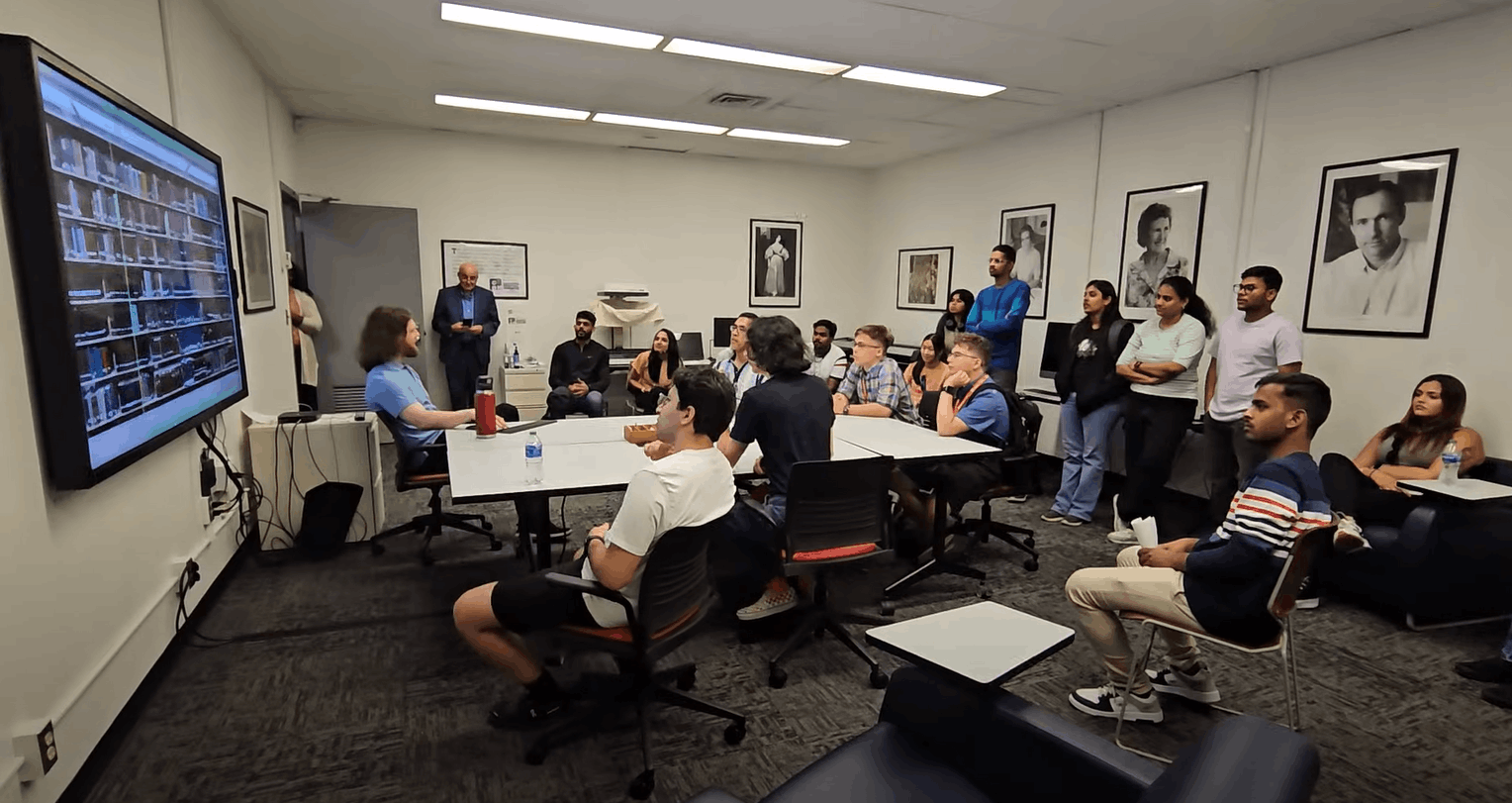
We are so delighted that Stony Brook University Libraries has joined a global initiative to explore the use of artificial intelligence in libraries, archives, and museums.
AI4LAM brings together more than 50 academic and cultural institutions, including Stanford University Libraries, the British Library, Yale University Library, and the National Library of Norway. Through its membership, Stony Brook University Libraries will gain opportunities to collaborate on shared AI tools and research, ethical frameworks, metadata enrichment, discovery systems, copyright, and data stewardship practices, as well as innovative approaches to evaluating AI technologies in library and cultural heritage environments. The partnership also enables participation in working groups and collaborative projects focused on AI evaluation, metadata, search and discovery systems, and the responsible use of data. Nicholas Johnson, inaugural director of artificial intelligence at Stony Brook University Libraries, said:
For Stony Brook University Libraries, joining AI4LAM is an exciting opportunity to join a community where shared tools, evaluation frameworks, ethical guidelines and best practices for AI in libraries are being defined. It means pooled expertise on the technical and policy questions that no single institution can resolve alone, which ranges from copyright and data stewardship to model evaluation, metadata enrichment and discovery. It also means lasting relationships with international colleagues working through the same questions we are.
AI4LAM was started in 2018 through a collaboration between Stanford University Libraries and the National Library of Norway. Since then, the network has grown to include universities, national libraries, museums and research organizations across Europe and North America. Karim Boughida, dean of Stony Brook University Libraries, said she has been following AI4LAM since its inception:
As someone who has been involved with AI-related work and conversations for many years, I was very happy to see the initiative grow in prominence and maturity over time as more major libraries, archives, museums and cultural heritage institutions joined the conversation around AI. For Stony Brook University Libraries, joining AI4LAM means being part of an international community thinking seriously about the future of AI in knowledge, research, discovery and cultural heritage environments.
Stony Brook University Libraries continues to strengthen its role as a forward-looking institution by actively engaging in global initiatives that explore the transformative potential of artificial intelligence in research and cultural heritage. By joining AI4LAM – Artificial Intelligence for Libraries, Archives and Museums – as a founding member, the Libraries are embracing new opportunities to collaborate with leading institutions worldwide, contribute to the development of innovative tools and ethical frameworks, and help shape the future of knowledge access and discovery in an increasingly digital environment. Reflecting on this important milestone, Karim B. Boughida, dean of Stony Brook University Libraries, said:
Happy to share that we are joining AI4LAM as a founding member. This is something I have been considering and hoping for over a long period, and I am truly pleased that it has now become a reality. I am excited about the opportunities, collaborations, and impact that lie ahead.
Together, we look forward to actively contributing to the AI4LAM community, sharing knowledge, and collaborating closely with partners to advance responsible and innovative uses of artificial intelligence. Through open exchange and joint efforts, we are confident that this collaboration will lead to meaningful outcomes and a strong, lasting impact for libraries and cultural heritage institutions worldwide. As our guiding principle reminds us:
Individually we are slow and isolated; collectively we can go faster and farther.