AI4LAM at IMPULZ 2026: The Role of Cultural Heritage Institutions in Shaping AI Readiness, Business, and Science
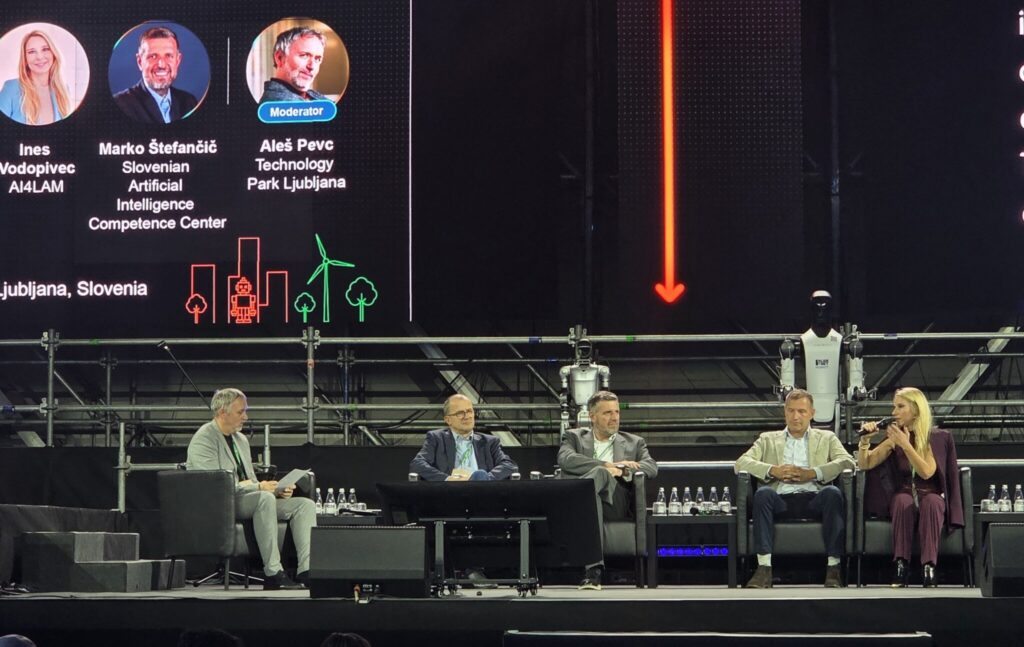
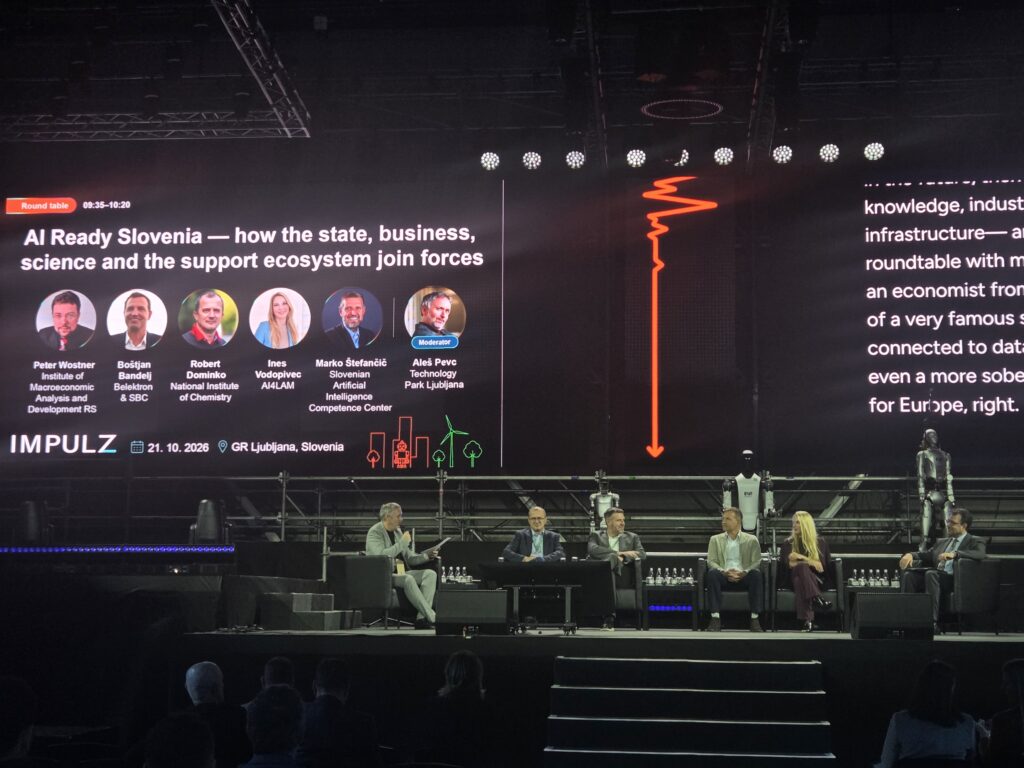
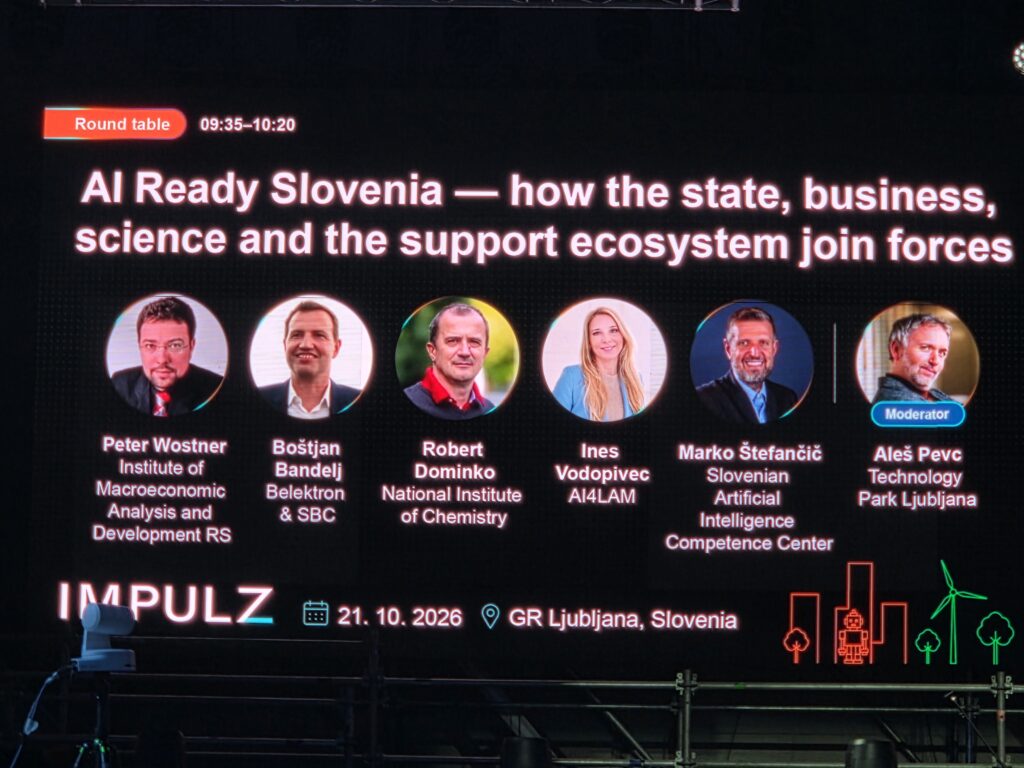
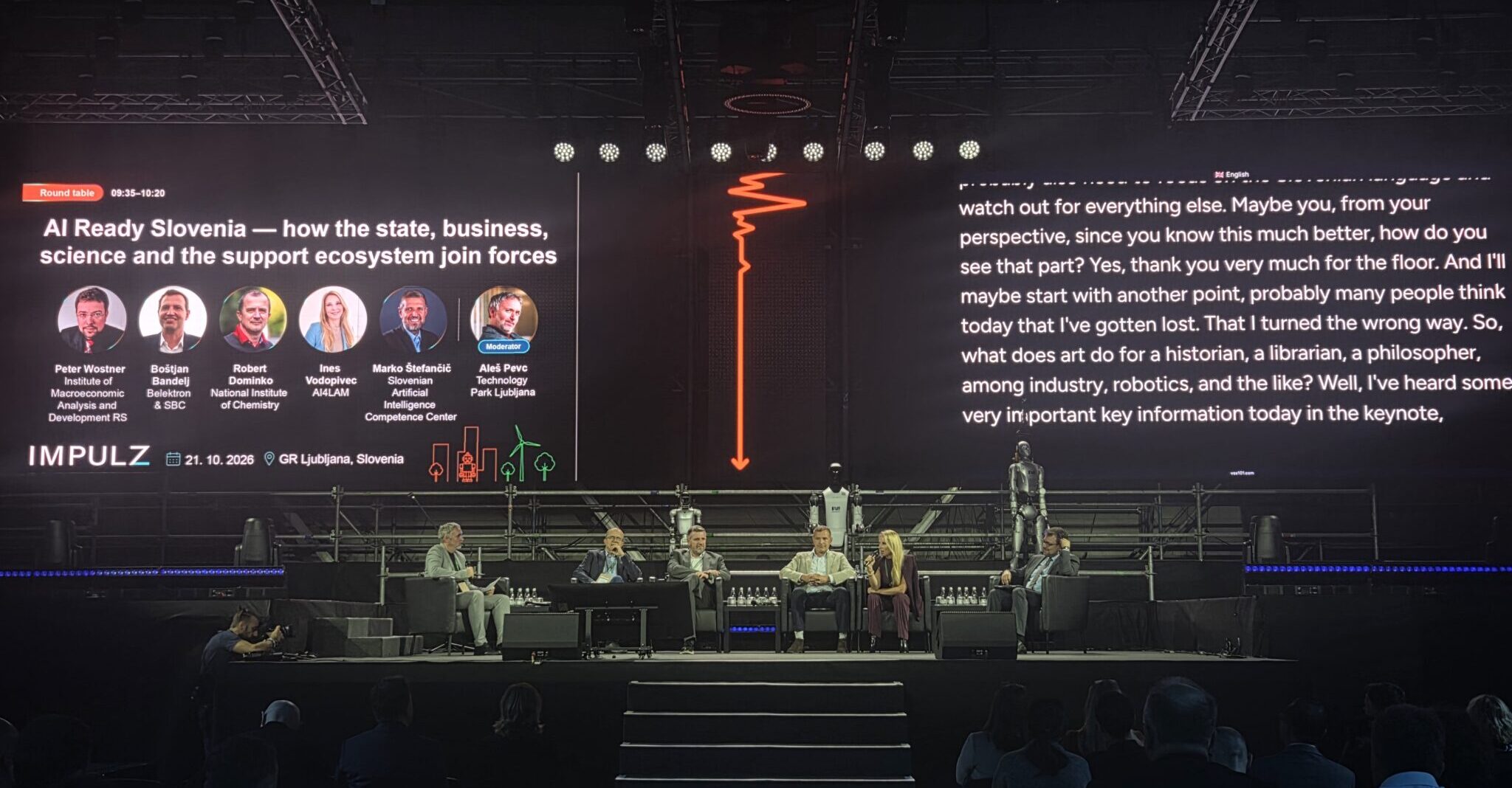
AI4LAM Secretary General, Ines Vodopivec, recently took part in a high-level panel discussion on the future of AI-driven development and its implications for national infrastructure ecosystems, society, and research. Alongside fellow panellists, she examined both the opportunities and responsibilities arising from the accelerated development and deployment of AI technologies, highlighting the important role that cultural heritage institutions can play in supporting collective societal, scientific, and innovation objectives.
The Role of Cultural Heritage Institutions in the AI Era Takes Centre Stage
During the discussion, Ines Vodopivec emphasized that libraries, archives, museums, and other cultural heritage institutions have a unique and increasingly important role within the AI ecosystem. As stewards of vast collections of knowledge, historical records, and cultural content, they have also developed and maintained high-quality metadata, trusted datasets, and robust data infrastructures over many decades. As providers of reliable and well-curated data, these institutions are often overlooked, yet their contribution is fundamental to the development of transparent, sustainable, trustworthy, and responsible AI systems.
A central theme of the discussion was that the future of AI will depend not only on technological innovation but also on access to high-quality, trustworthy data. Cultural heritage institutions hold extensive collections and databases that can support the training, evaluation, and advancement of AI models, making them invaluable partners in shaping the next generation of AI applications.
Another key message concerned the importance of trust. For generations memory institutions have served as trusted sources of knowledge and information. At a time when misinformation, synthetic content, and AI-generated outputs are becoming increasingly prevalent, safeguarding this trust is more important than ever. And exactly trust, authenticity, and quality have always been at the core of cultural heritage institutions and the values they uphold. As AI continues to transform how information is created, accessed, and shared, these values must remain central to both technological development and its application in society.
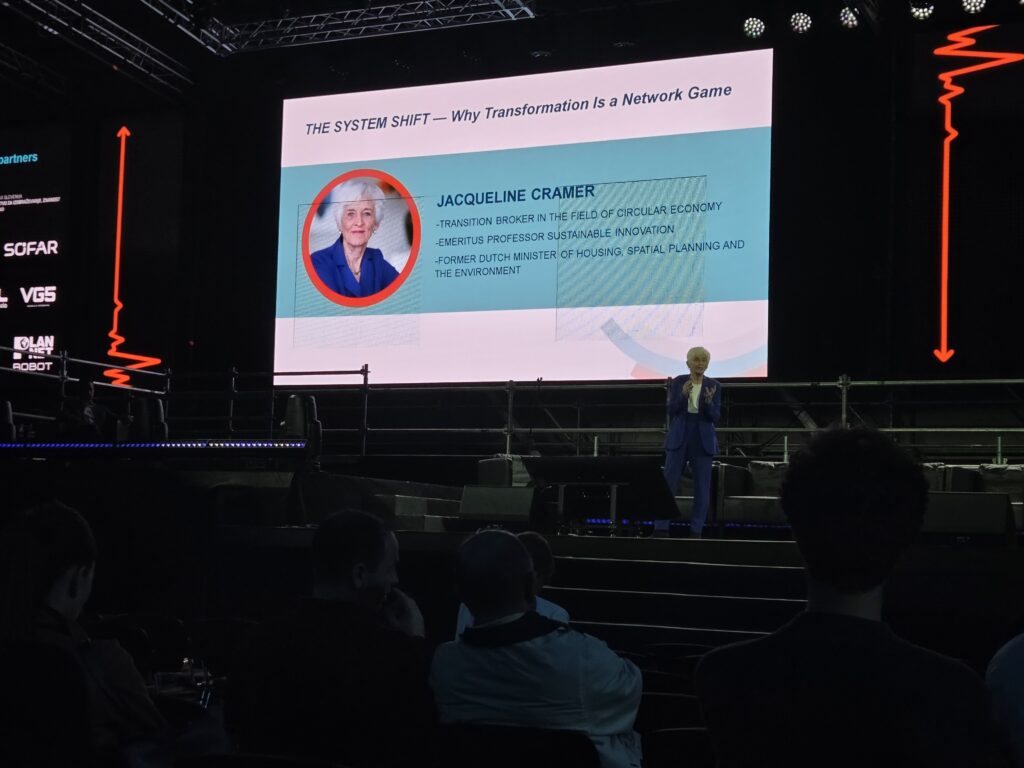
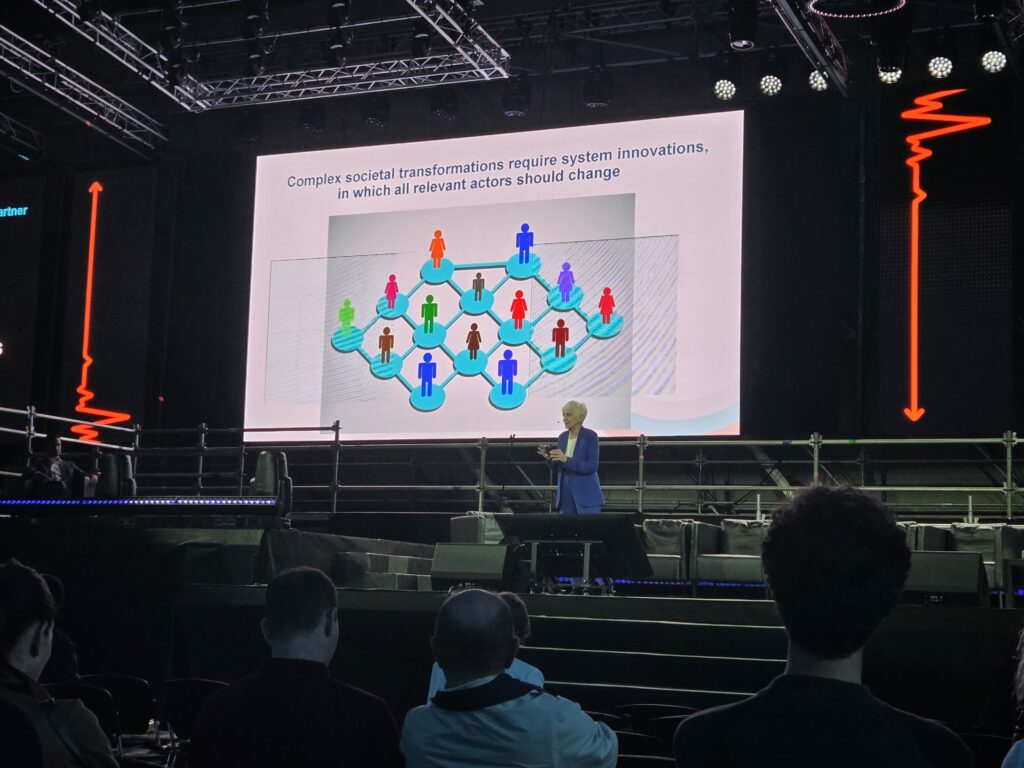
The discussion also highlighted the need for close collaboration among stakeholders across sectors, including technology developers, researchers, policymakers, and cultural heritage institutions. By working together, these communities can help ensure that AI is developed and deployed in ways that are ethical, inclusive, transparent, and beneficial to society as a whole. As noted by Jacqueline Cramer, former Dutch Minister of Housing, Spatial Planning and the Environment:
Complex societal transformations require system innovations, in which all relevant actors should change.
This observation underscores the importance of collective action and shared responsibility in shaping the future of AI. Cultural heritage institutions have a vital role to play in this process, contributing trusted knowledge, data, expertise, and long-standing public values to the broader AI ecosystem. Jacqueline Cramer outlined ten key principles for sparking transformation through networks, and we believe that the AI4LAM organization is following this very path.
- The transformation starts with a shared sense of urgency and coalition of the willing.
- The implementation occurs in four phases (preparing, building, scaling and mainstreaming).
- The tasks to be performed are roughly the same, but case specific.
- The transformation is a journey with a clear destination.
- Focus on the most promising innovations. Select frontrunners (in industry) as lead.
- Map the key drivers and preconditions of successful implementation at the start.
- Identify the relevant actors and assess their willingness to join.
- Develop new business models that benefit all consortium partners.
- Built a consortium of relevant partners and agree upon division of labor.
- Orchestration through ‘transition brokers’ can accelerate system innovation.
By bringing together diverse stakeholders, fostering collaboration, and encouraging collective action, AI4LAM and its member organisations are helping to drive meaningful change at institutional, national, and international levels. Through active participation and the exchange of knowledge across the network, members can build upon proven practices, shared expertise, and successful initiatives rather than starting from scratch. In doing so, they strengthen their own institutions while contributing to the advancement of local communities, national ecosystems, and the broader global cultural heritage and AI community.
AI4LAM serves as a trusted catalyst, convenor, and ambassador for positive digital change, inspiring its members to shape the future of AI in ways that reflect the values, responsibilities, and public mission of cultural heritage institutions. While significant progress has already been made, we are convinced that even greater impact can be achieved through continued cooperation, a shared vision, and a commitment to innovation. Together, we can help shape a future that benefits not only our organisations, but also the societies and ecosystems we serve.
AI4LAM remains committed to supporting the GLAM community in navigating the opportunities and challenges presented by AI. As the sector continues to evolve, the expertise, collections, trusted data, and stewardship provided by cultural heritage institutions will be essential to building a responsible, sustainable, and human-centred AI future. By connecting institutions across sectors and borders, AI4LAM empowers its members to create positive change within their organisations and communities while contributing to broader national and global developments.
Together, we can ensure that AI advances in ways that serve the public good, strengthen trust, and create lasting value for future generations.